Choosing the Right Tattoo Equipment for Precision, Comfort, and Professional Results
Creating quality tattoo artwork requires artistic ability, technical knowledge, and dependable equipment. Every stage of the tattooing process, from outlining to shading, depends on selecting suitable tools and understanding how they work together. Tattoo artists should consider machine performance, needle configuration, power management, and hygiene when preparing their workspace. Exploring different equipment options can help beginners and experienced professionals make informed purchasing decisions and maintain a consistent approach to their craft.
Understanding Modern Tattoo Machines
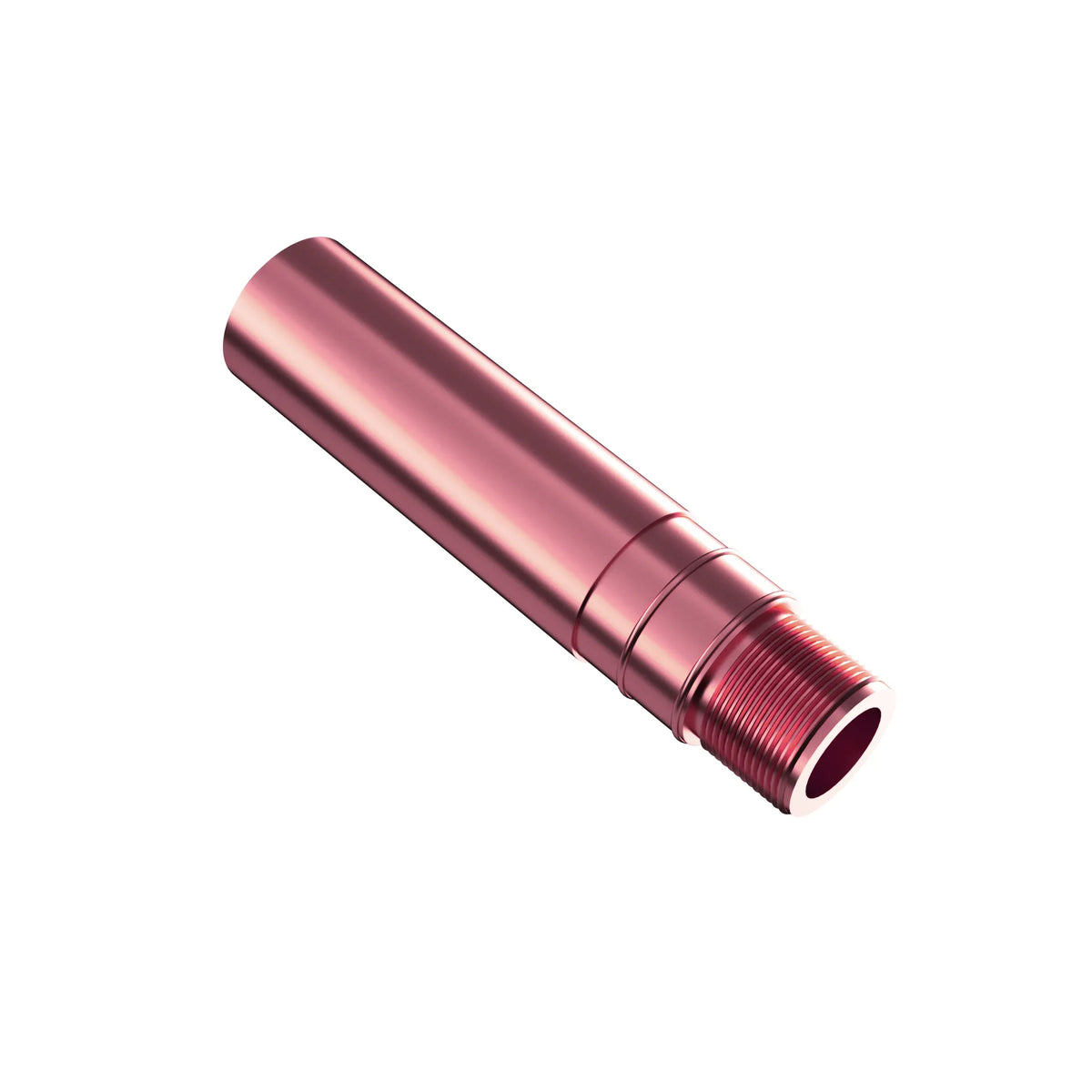
A reliable machine is an important part of a tattoo artist's setup. When comparing options for the best tattoo pen machine, artists should consider grip comfort, weight, balance, motor performance, and compatibility with their preferred needle system. A pen-style design can offer a familiar shape that resembles a traditional writing instrument, making it an option worth exploring for artists who value a comfortable grip.
Before purchasing, review the manufacturer's specifications and operating instructions. Machine construction, adjustable settings, maintenance requirements, and available replacement components can influence long-term usability. Artists should also consider how the equipment feels during practice sessions rather than choosing solely based on appearance or promotional descriptions.
Explore Different Tattoo Needle Types
Needles are essential components because their configuration influences how artists approach different techniques. Understanding tattoo needles helps professionals select suitable equipment for lining, shading, and other artistic requirements.
Different needle groupings are designed for different purposes. Round liners are commonly used for outlining and detailed work, while round shaders and magnum configurations can support various shading techniques. Artists should understand the differences between needle sizes, groupings, and tapers before selecting supplies.
Choosing the best tattoo needles depends on the intended artwork, personal technique, machine compatibility, and product quality. Beginners should learn about needle specifications and practise with appropriate training materials before progressing to professional applications. Checking packaging, sterility information, and manufacturer instructions is also essential.
Selecting Suitable Shading Equipment
Smooth gradients and controlled tonal transitions are important elements of many tattoo designs. shading needles are available in different configurations that artists can explore according to their preferred techniques and artwork requirements.
Magnum needle configurations are frequently considered for covering larger areas, while other groupings may be suitable for more controlled shading tasks. The selection should depend on the design, working method, and machine compatibility. Artists should avoid assuming that one configuration is appropriate for every tattoo.
Understanding needle grouping, taper, diameter, and arrangement can help professionals make more informed choices. Consistent practice and proper equipment handling also contribute to developing a controlled artistic technique.
The Convenience of Cartridge Systems
Modern tattoo setups often include cartridge-based equipment. tattoo needle cartridges combine a needle assembly and housing in a format designed for compatible machines. They are available in different configurations for lining, shading, and other applications.
Artists comparing the best tattoo needle cartridges should examine compatibility, construction, packaging, sterility information, and manufacturer quality standards. Cartridge selection should match the machine's connection system and the artist's intended technique.
Disposable cartridges should be handled according to professional hygiene procedures and manufacturer directions. Single-use products must never be reused. Proper disposal of used needles and contaminated materials is equally important for maintaining a safe working environment.
Understanding Rotary Tattoo Machines
Machine selection can influence the overall working experience. A rotary tattoo machine uses a motor-driven mechanism to move the needle assembly. Artists may consider this design when comparing equipment for different styles and working preferences.
A rotary machine can be available in different shapes, weights, and configurations. Some models feature pen-style bodies, while others use different frame designs. Important factors include motor specifications, grip dimensions, operating controls, maintenance requirements, and compatibility with cartridges or other needle systems.
Artists should read the manufacturer's guidance before adjusting machine settings or replacing components. Regular inspection and appropriate cleaning procedures can help keep equipment in suitable working condition.
Benefits of Wireless Power Options
Power management is another important consideration when organising a tattoo workstation. A wireless tattoo power supply can reduce the need for a traditional power cable between the machine and its power source, depending on the equipment design.
A wireless power supply may offer convenience for artists who prefer a less cluttered workspace. Before selecting one, check battery capacity, charging requirements, voltage adjustment options, compatibility, operating time, and safety instructions. Understanding these specifications helps prevent interruptions during scheduled work.
Artists should also inspect batteries and charging components regularly. Only compatible charging equipment should be used, and damaged power accessories should be replaced according to manufacturer recommendations.
Build a Professional and Hygienic Tattoo Setup
Selecting equipment involves more than comparing individual products. Machines, needles, cartridges, and power accessories should work together as part of a well-organised setup. Artists should check compatibility before purchasing and avoid mixing components without confirming manufacturer guidance.
Hygiene must remain a priority throughout every tattooing procedure. Professional artists should use sterile, single-use needles and cartridges, suitable protective barriers, approved cleaning products, and appropriate disposal containers. Reusable equipment must be cleaned and sterilised using validated procedures suitable for the device. Following local health regulations and professional training is essential.
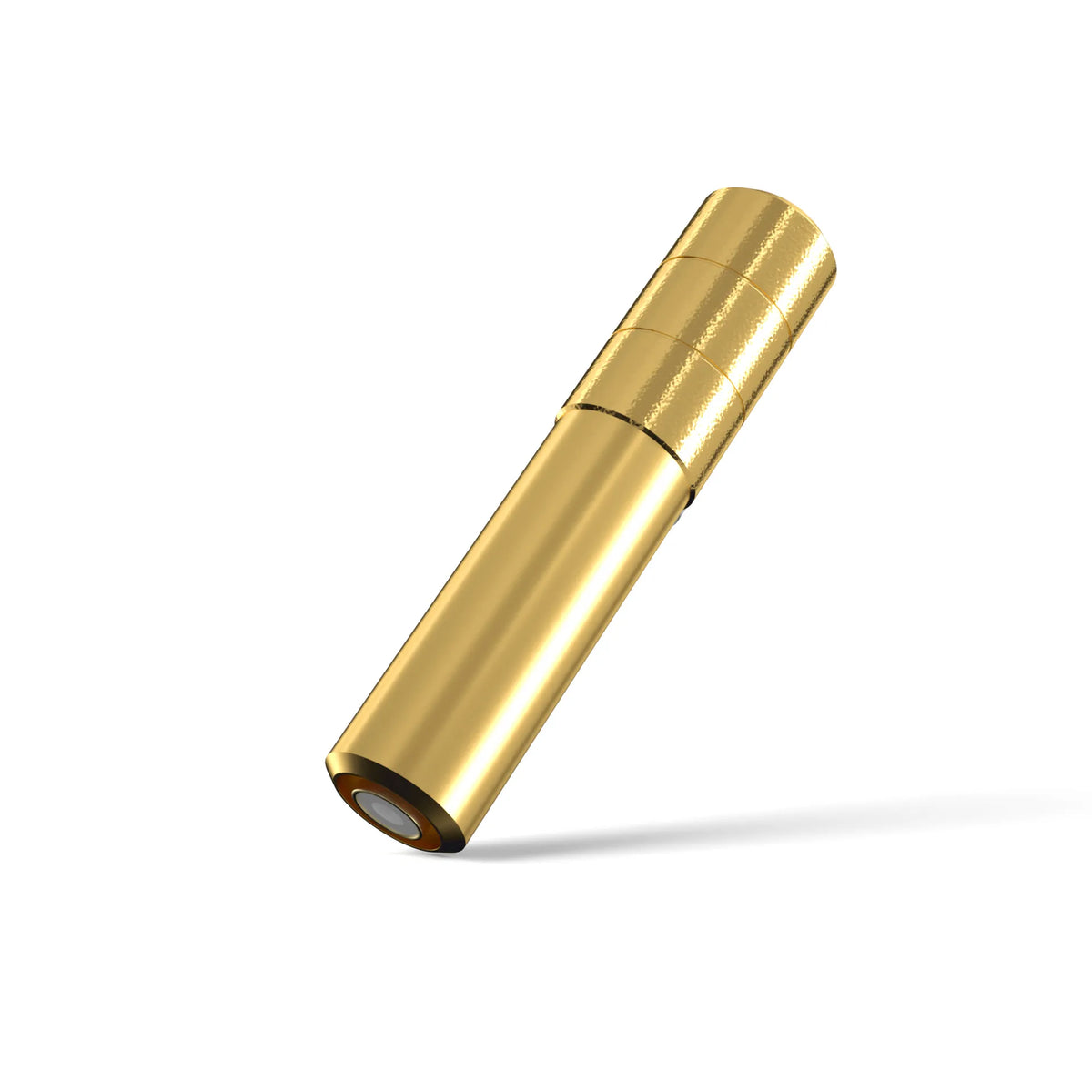
At Inkclaw, understanding tattoo equipment and its practical applications can help artists explore products according to their working preferences. Taking time to compare specifications, construction, and compatibility supports more informed purchasing decisions.
Make Informed Equipment Decisions
The right tattoo setup depends on artistic style, experience, comfort, and professional requirements. Beginners should focus on learning equipment fundamentals and developing their techniques through supervised training and suitable practice materials. Experienced artists may prioritise specific machine characteristics, cartridge configurations, or power options.
Inkclaw encourages thoughtful equipment selection based on reliable product information and responsible working practices. By understanding machines, needle types, cartridge systems, and power accessories, tattoo professionals can organise their workstations more effectively and concentrate on developing their artistic skills.


Comments
Post a Comment