A Complete Guide to Professional Tattoo Machines, Cartridges, and Essential Tattoo Supplies
Professional tattooing requires a combination of artistic skill, technical knowledge, and dependable equipment. Choosing the right tools helps artists maintain an organized workspace, work efficiently, and explore different tattooing techniques. From selecting a suitable machine to finding compatible cartridges, every purchasing decision can influence comfort, convenience, and overall studio performance. Understanding available equipment options allows beginners and experienced professionals to create a setup that supports their individual requirements.
Understanding the Role of a Quality Tattoo Machine
A reliable tattoo machine is one of the most important investments for a tattoo artist. Machine design, weight, motor performance, and grip comfort can influence handling during detailed work. Professionals should compare these characteristics before choosing equipment for their preferred techniques.
Modern tattoo machines are available in several configurations, offering different operating characteristics and adjustment options. Artists working with fine lines, intricate details, shading, or larger designs may have different equipment preferences. Reviewing specifications helps identify models that suit individual requirements.
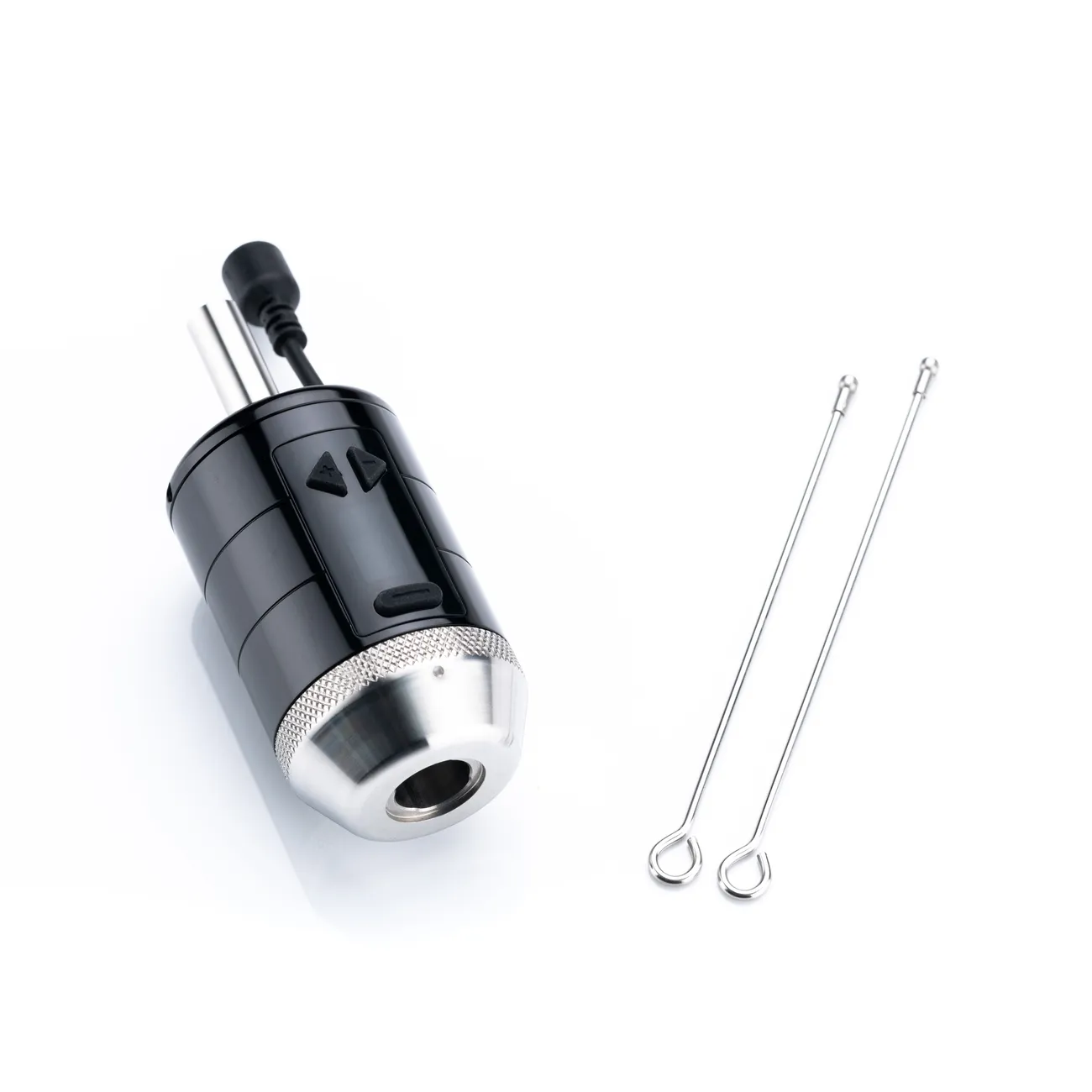
Choosing professional tattoo machines involves evaluating construction quality, compatibility, maintenance requirements, and manufacturer support. A well-matched machine can contribute to a comfortable working experience while helping artists maintain a consistent workflow.
Exploring Rotary Machines and Ergonomic Tattoo Pens
A tattoo rotary machine uses a motor-driven mechanism to move the needle system. Many artists consider rotary models because they are available in different sizes, weights, and stroke configurations. Selecting an appropriate model requires understanding its specifications and suitability for the intended application.
A tattoo pen features a streamlined design that resembles a writing instrument. Its shape can offer familiar handling, depending on the grip dimensions and overall balance. Professionals should compare adjustment features, weight distribution, and compatible accessories before selecting a pen-style machine.
When choosing a tattoo gun, artists should focus on practical functionality, construction quality, and compatibility with their preferred supplies. Careful evaluation helps ensure that the selected equipment aligns with the artist's experience and studio requirements.
Benefits of Wireless Tattoo Equipment
Wireless technology offers an alternative to traditional cable-connected configurations. A wireless tattoo machine can provide greater freedom of movement while reducing cable clutter around the workstation. This design may be especially appealing to professionals who prioritize an organized and flexible working environment.
Before selecting a wireless model, artists should examine battery capacity, charging time, operating duration, power adjustment, and overall weight. These features can influence convenience during regular studio use.
A wireless tattoo battery grip combines a gripping component with a compatible battery system. Buyers should confirm the connection type, supported specifications, and manufacturer compatibility guidance before purchasing. Selecting suitable components helps support reliable operation and comfortable handling.
Choosing Reliable Tattoo Cartridges and Needles
Cartridge selection is an important consideration for artists using compatible tattoo machines. Quality tattoo cartridges provide convenient access to different needle configurations and can simplify preparation for various tattooing techniques.
When searching for the best tattoo cartridges, professionals should consider needle consistency, cartridge construction, membrane design, sterile packaging, and compatibility. Reliable product information helps buyers compare available options and make informed purchasing decisions.
Different tattoo cartridge needles are designed for particular applications. Round liner configurations are commonly used for outlining, while shader and magnum configurations support different shading and filling techniques. Artists should select needle groupings according to their training, design requirements, and manufacturer recommendations.

Sterile, single-use cartridges should be inspected before use, handled hygienically, and disposed of safely after each client. Following appropriate infection-control procedures remains essential in every professional tattoo environment.
Finding the Right Tattoo Supplies
Building an efficient studio requires more than purchasing a machine. Suitable tattoo equipment can include compatible grips, power accessories, replacement components, protective barriers, and cleaning products. Each item should contribute to a practical and organized workflow.
A comprehensive tattoo supply collection helps artists prepare for different projects without overlooking essential accessories. When comparing products, professionals should evaluate specifications, compatibility, durability, and maintenance requirements.
Investing in professional tattoo supplies means prioritizing quality, appropriate hygiene standards, and dependable sourcing. Choosing products carefully can help artists maintain an organized workspace while making better use of their equipment budget.
Comparing Professional Machines Before Purchasing
Artists researching Tattoo Machines Professional options should examine motor performance, machine construction, ergonomic features, adjustment capabilities, and compatibility with cartridges. Reviewing manufacturer information helps clarify which features are appropriate for specific working requirements.
When exploring Tattoo Machines For Sale, buyers should compare prices alongside warranty terms, replacement part availability, customer support, and seller reliability. Considering long-term value rather than price alone can lead to more practical purchasing decisions.
Inkclaw is a name that artists can consider when researching tattoo machines and related accessories. Comparing available specifications and product information helps buyers determine whether particular options suit their needs.
Building a Dependable Tattoo Studio Setup
A professional workspace benefits from organized storage, compatible equipment, and consistent preparation procedures. Artists should follow manufacturer maintenance instructions, inspect equipment regularly, and use suitable protective supplies. These habits support equipment management and responsible studio practices.
Inkclaw can also be included in a broader comparison of available tattoo products when evaluating features, compatibility, and value. Careful research allows professionals to select equipment that complements their techniques and workflow.
Conclusion
Selecting appropriate tattoo equipment requires careful research and attention to individual requirements. From rotary machines and wireless technology to reliable cartridges and essential accessories, every component has a practical role in a professional studio. By comparing specifications, prioritizing hygiene, and choosing compatible products, tattoo artists can develop an efficient workspace that supports creativity, precision, and professional growth.


Comments
Post a Comment