Choosing Professional Tattoo Equipment: Machines, Cartridges, Pens, Grips, and Complete Supply Guide
Choosing the right tattoo tools is essential for artists who want precision, consistency, comfort, and dependable performance. Whether you are building a professional studio or upgrading your personal setup, understanding every part of your tattoo supply can help you make smarter purchasing decisions. High-quality tattoo equipment supports cleaner workflows, while reliable professional tattoo supplies allow artists to focus on creativity instead of technical limitations.
A dependable tattoo machine is the heart of many tattoo setups. Modern artists can choose from several tattoo machines, each designed for different techniques and preferences. A traditional tattoo gun may appeal to artists who prefer a familiar setup, while a lightweight tattoo pen can provide an ergonomic alternative for long sessions. When selecting a tattoo pen machine, consider its balance, grip, motor performance, and compatibility with your preferred cartridges.
For artists who value freedom of movement, a wireless tattoo machine can eliminate the need for a power cable during sessions. Similarly, a wireless tattoo pen offers portability and a streamlined workspace. The growing range of pen tattoo machine designs gives artists more choices for lining, shading, packing, and other techniques. Finding the best tattoo pen machine depends on individual technique, hand position, stroke preferences, and working style.
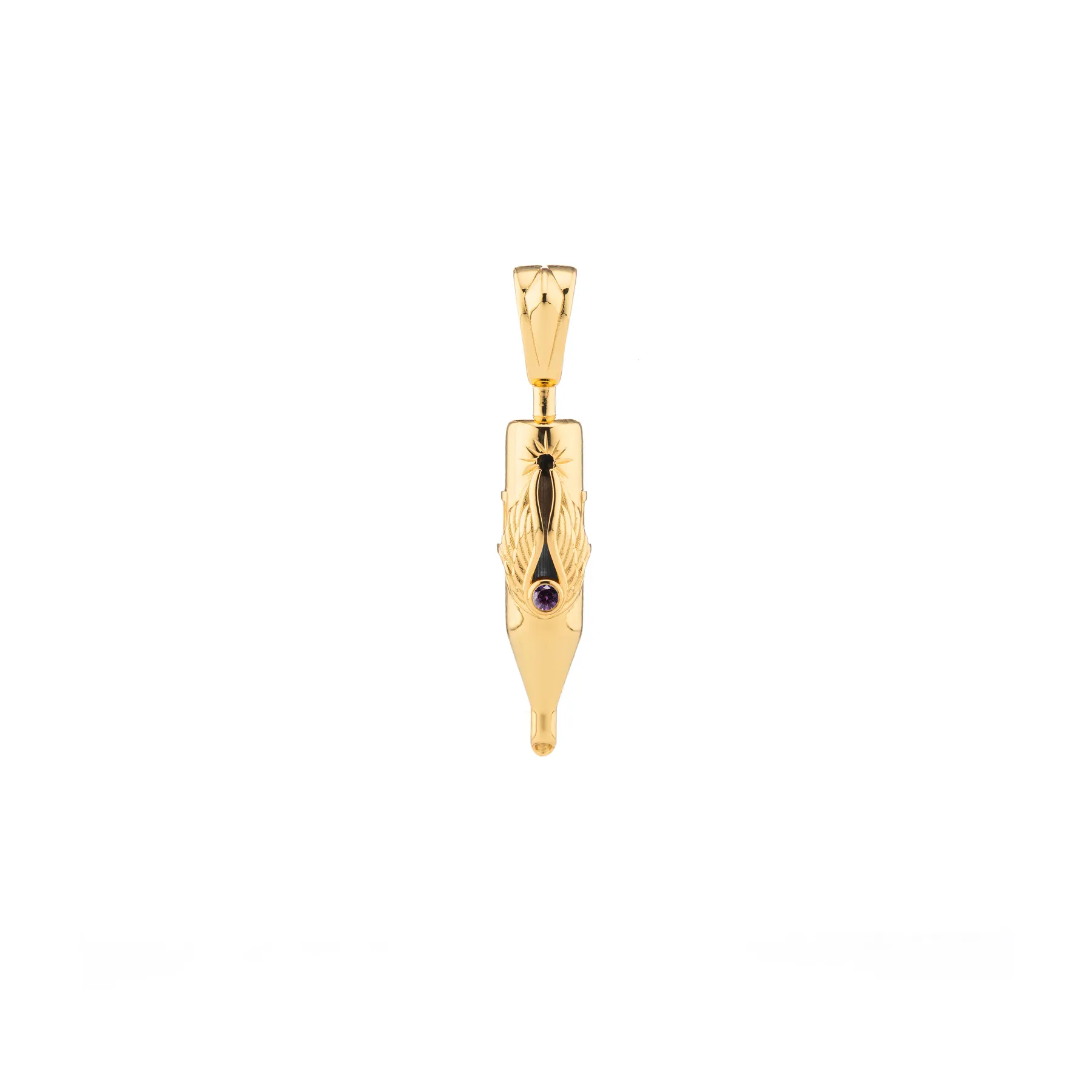
Cartridges are another critical part of a reliable setup. Quality tattoo cartridges should provide consistent needle movement and secure installation. Artists often compare the best tattoo cartridges based on membrane quality, needle configuration, construction, and compatibility. The right tattoo cartridge needles can make a meaningful difference in line control, shading consistency, and overall workflow. Choosing cartridges from dependable manufacturers also helps artists maintain predictable results across different projects.
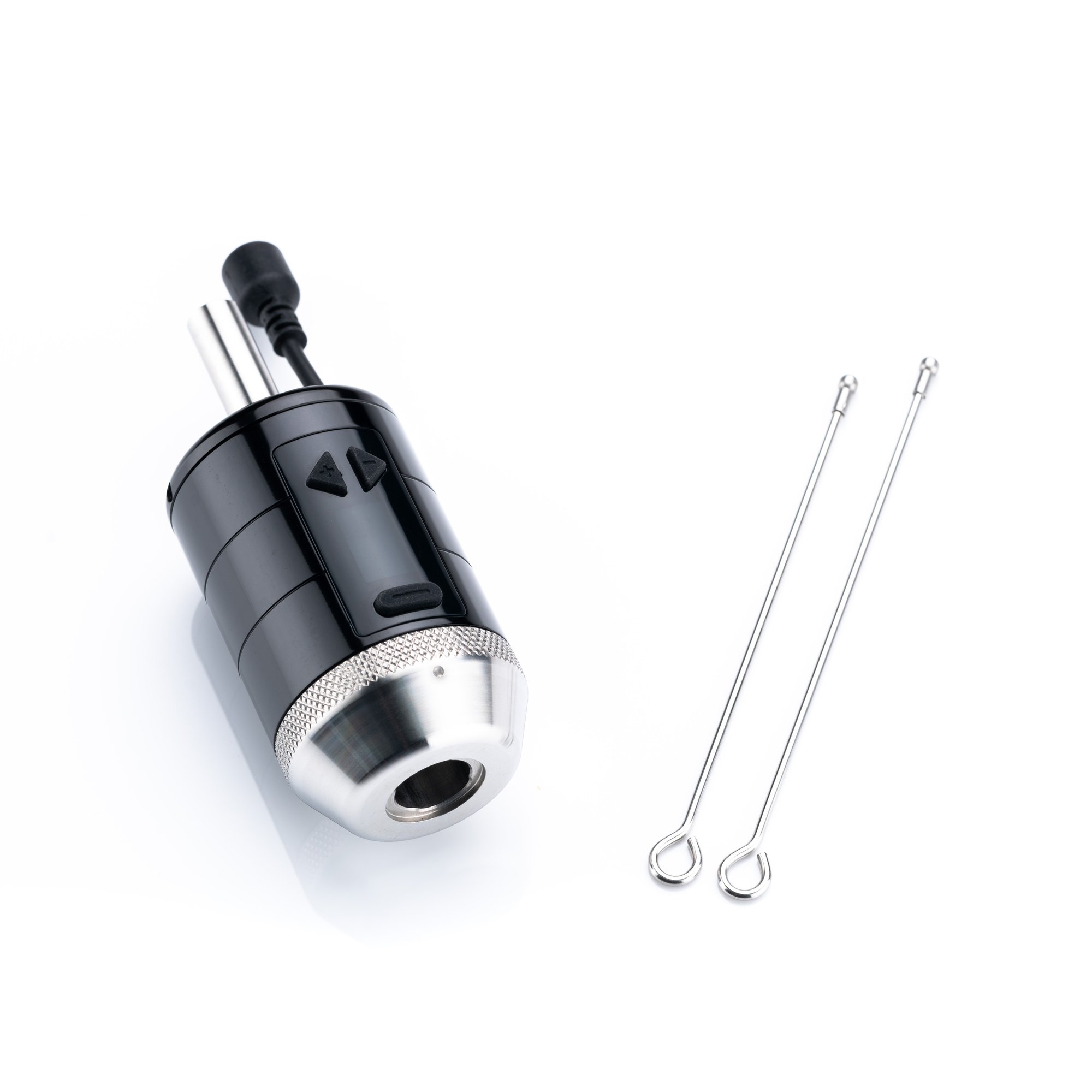
A wireless tattoo battery grip can further improve convenience by combining battery power with a comfortable grip. Artists should evaluate battery capacity, charging options, weight, display features, and compatibility before making a purchase. A well-designed grip can help reduce cable clutter while keeping the machine comfortable during extended appointments.
For studios seeking specialized performance, professional tattoo machines can offer refined construction, reliable motors, and adjustable operating characteristics. A tattoo rotary machine is popular because rotary systems can deliver smooth operation and versatile performance. Artists researching Tattoo Machines Professional options should compare stroke length, motor type, weight, adjustment range, and cartridge compatibility rather than choosing solely on appearance.
Budget is also an important consideration when building a complete workstation. Searching for Tattoo Machines For Sale can reveal options across different price levels, but price should never be the only deciding factor. Consider durability, warranty coverage, replacement parts, manufacturer reputation, and long-term usability. A machine that costs slightly more but performs consistently may provide better value than a cheaper model that requires frequent replacement.
Inkclaw provides artists with access to tattoo-focused products designed to support organized and efficient workflows. When comparing products, create a checklist based on your artistic style, typical session length, preferred needle groupings, and machine preferences. This approach can make it easier to identify equipment that genuinely fits your needs.
Before purchasing, verify that your selected components work together. Check cartridge compatibility, grip dimensions, battery connections, voltage requirements, and manufacturer specifications. Keeping backup components available can also prevent unnecessary interruptions during busy studio schedules. Essential tattoo supply items should be organized so artists can access them quickly while maintaining a clean and professional workspace.
Maintenance is equally important. Clean and care for reusable equipment according to manufacturer instructions, inspect components regularly, and replace worn parts promptly. Disposable components should be handled responsibly and according to applicable safety requirements. Professional habits protect both workflow quality and the studio environment.
Inkclaw can help artists think beyond individual products and build a complete setup around performance, comfort, and reliability. From a versatile tattoo machine to dependable tattoo cartridges, every component contributes to the final experience. By carefully comparing specifications and choosing suitable tattoo equipment, artists can create a workstation that supports precision and confidence.
Ultimately, the ideal setup is not necessarily the most expensive one. It is the combination that matches an artist’s technique, comfort, workload, and creative goals. Researching professional tattoo machines, evaluating a wireless tattoo machine, selecting suitable best tattoo cartridges, and investing in dependable accessories can create a balanced workflow. With thoughtful purchasing decisions, artists can build a reliable studio foundation that supports consistent artistry, efficient sessions, and professional development over time.
Another useful consideration is versatility. Artists working across styles may prefer adjustable machines that can accommodate different techniques without changing their entire setup. A balanced selection of cartridges, grips, batteries, and accessories can make transitions between projects smoother. Artists should also consider how easily components can be cleaned, stored, replaced, and transported. A practical setup saves time, supports organization, and keeps attention on the artwork. Comparing specifications carefully before ordering helps ensure each purchase contributes meaningful value to the studio and daily creative process.
Experienced artists also recognize the value of testing equipment before relying on it for important work. Understanding how a machine feels in the hand, how cartridges perform at preferred settings, and how a battery behaves during longer sessions can guide future purchases. Careful testing helps identify comfortable combinations and reduces surprises when working with clients. It also encourages artists to develop a personalized setup that complements their technique, pace, preferred tattooing methods, and daily routines.


Comments
Post a Comment